
Ledger.com/Start® | Getting Started™ | Ledger®®
Visit Ledger.com/start to learn essential steps for configuring your Ledger hardware wallet and managing crypto.
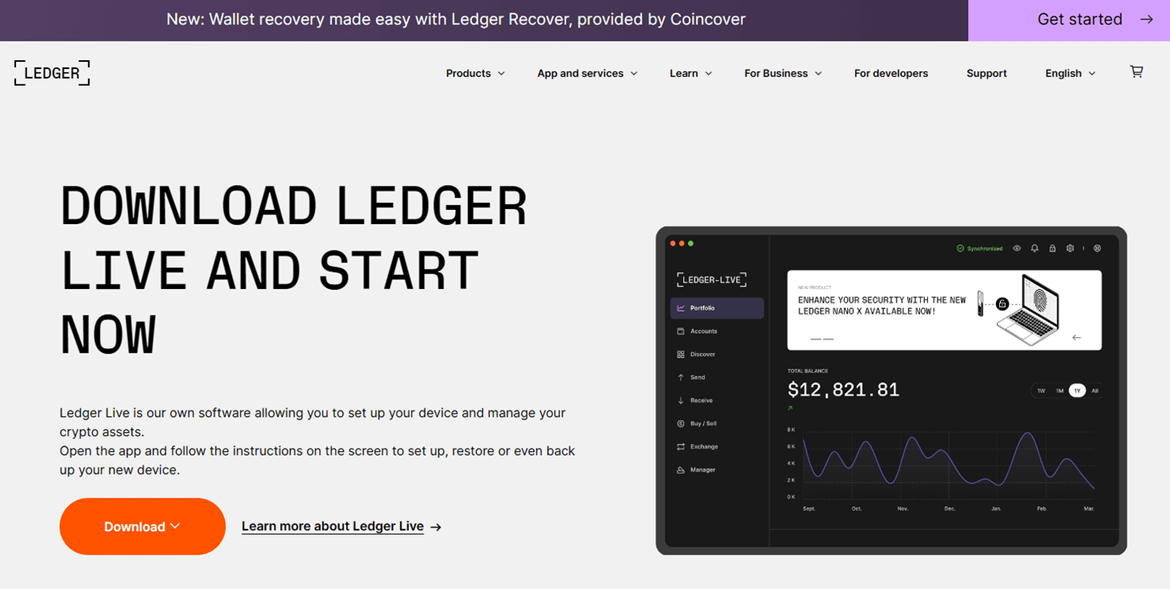
Ledger.com/start: A Secure Beginning for Cryptocurrency Users
Starting with a hardware wallet is an important step for anyone who wants greater control over digital assets. Ledger.com/start provides a convenient starting point for users who need setup guidance for a compatible Ledger device and want to understand the security practices involved in self-custody.
Create a Careful Setup Routine
A secure wallet experience begins before the device is connected. Make sure you are using the official Ledger website and avoid relying on unfamiliar download pages or links sent by strangers.
When visiting Ledger.com/start, follow the instructions applicable to your particular Ledger device. Read each step carefully and avoid rushing through security-related prompts.
Keep Your Wallet Information Private
Self-custody means you are responsible for protecting the credentials that control your wallet. The recovery phrase is especially important because it can be used to restore access to the associated wallet.
Write the recovery information down during the legitimate device setup process and keep it in a secure offline location.
Never share your recovery phrase with:
- Online support agents
- Friends or strangers
- Websites or online forms
- Social-media accounts
- Messaging services
- Unofficial wallet applications
A request for your complete recovery phrase should be treated as a serious security warning.
Hardware Wallet Benefits
A compatible Ledger device can provide several useful security features for cryptocurrency management.
Physical Device Protection
Hardware wallets are designed to keep sensitive private-key operations within a dedicated device, helping reduce exposure to certain online threats.
Transaction Confirmation
When supported, transactions can be reviewed and approved through the physical wallet. This provides an additional checkpoint before an operation is completed.
Convenient Management
Compatible Ledger software can provide an interface for viewing supported accounts, monitoring assets, and accessing available cryptocurrency features.
User-Controlled Security
Hardware wallet users remain responsible for their recovery information and transaction approvals, providing a self-custody approach to asset management.
Review Every Transaction
Never approve a cryptocurrency transaction without checking its details. Compare the destination address, selected network, cryptocurrency, and amount with your original intention.
If the information looks incorrect, cancel the operation and investigate the issue before trying again.
Careful verification is important because blockchain transactions can be difficult or impossible to reverse after confirmation.
Recognize Phishing Attempts
Cybercriminals may imitate legitimate wallet services using fake websites, advertisements, emails, or customer-support accounts. Some scams create urgency by claiming that an account is blocked or requires immediate verification.
Do not let an urgent message pressure you into revealing confidential wallet information. Navigate directly to trusted resources instead.
Keep Your Software Environment Updated
After completing the setup process through Ledger.com/start, maintain good security habits. Keep your computer's operating system and compatible wallet software updated, use strong device security, and avoid installing applications from unknown sources.
Regularly review your security practices and remain cautious when interacting with cryptocurrency-related messages.
Conclusion
Ledger.com/start can be an effective starting point for users setting up a compatible Ledger hardware wallet. A secure crypto routine combines reliable setup instructions with careful transaction verification and strong protection of recovery information.
Take your time, verify sources, and remember that your recovery phrase should remain private and offline.
Final Security Reminder
Never disclose your recovery phrase or private keys. Anyone requesting this information to activate, verify, unlock, or recover your wallet should be treated with extreme caution.
Updated about 2 hours ago